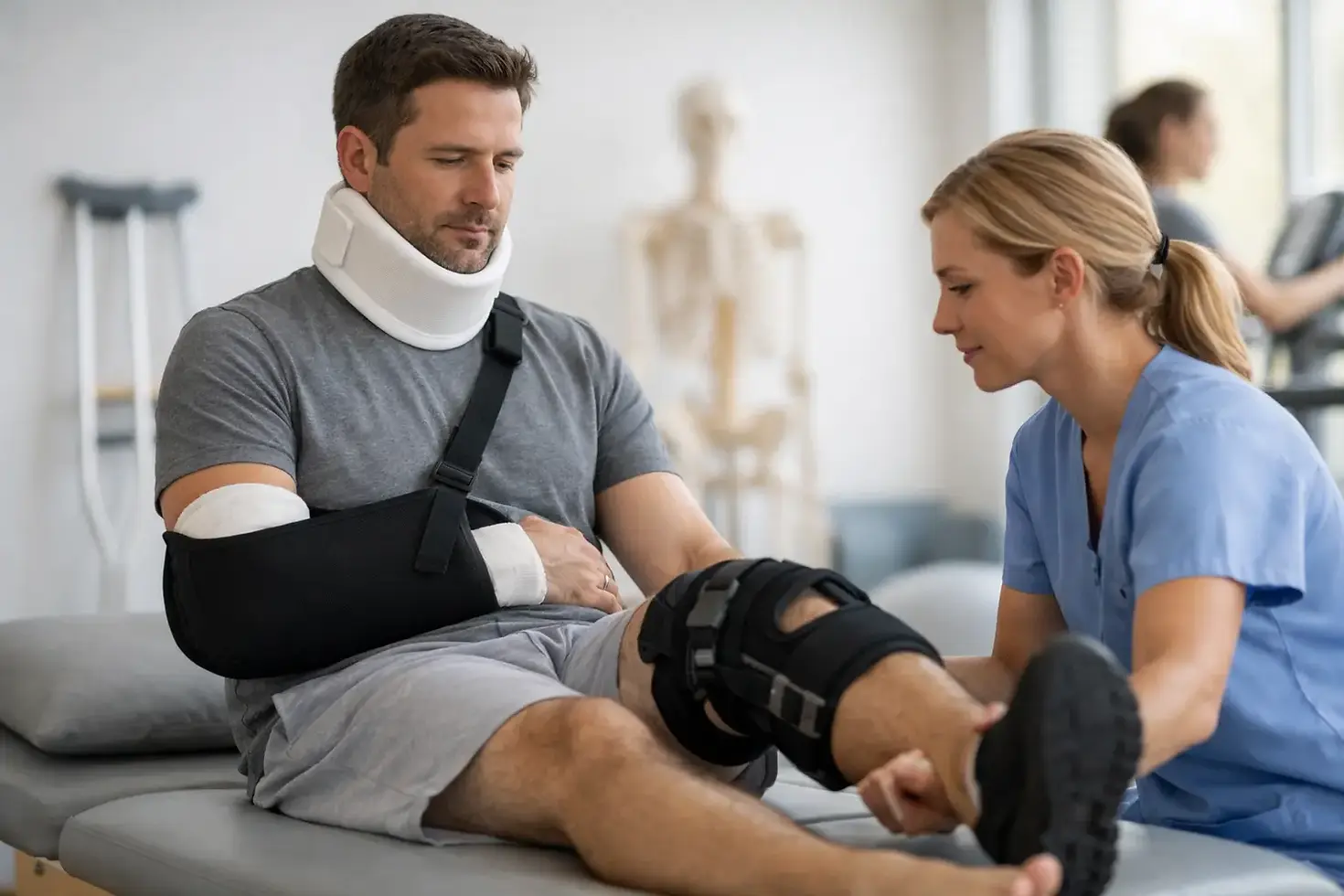
How to Recover From Accident Injuries
- Justin Quisberg
- May 22
- 5 min read

The morning after an accident is often worse than the moment itself. Adrenaline fades, stiffness sets in, and simple movements like turning your head or getting out of bed can suddenly feel difficult. If you are wondering how to recover from accident injuries, the first thing to know is this: waiting too long can make recovery harder.
Many accident-related injuries do not look serious right away. Whiplash, soft tissue strain, spinal misalignment, and inflammation can build over hours or days. You may feel sore, tired, dizzy, tight, or limited in ways that were not obvious at the scene. That is why early evaluation matters. The goal is not just to get through the pain this week. It is to help your body heal correctly so you can return to work, driving, exercise, and daily life with confidence.
How to recover from accident injuries starts with fast evaluation
After a car accident, slip and fall, or sudden impact, your body can absorb force in ways that affect the neck, back, shoulders, hips, and nervous system. Pain is only part of the picture. Reduced range of motion, muscle guarding, headaches, tingling, and postural changes can all point to deeper dysfunction.
A prompt assessment helps identify what was injured, how severe it is, and what kind of treatment is most appropriate. This matters because not every injury follows the same pattern. Some people have sharp pain immediately. Others feel mostly stiffness at first and then develop headaches, numbness, or back spasms later. If your symptoms are changing, that is not something to brush off.
A proper exam also helps separate injuries that may respond well to conservative care from those that require additional medical imaging or a different level of intervention. Recovery works best when treatment matches the actual injury, not just the most obvious symptom.
The first phase of recovery is about calming the injury
In the early stage, the body is dealing with inflammation, muscle tension, and protective guarding. This is why many people feel locked up after an accident. Muscles tighten to protect injured areas, joints move less freely, and normal mechanics get disrupted.
At this point, the goal is not to push through pain. It is to reduce irritation and restore safer movement. That may include gentle chiropractic adjustments when appropriate, soft tissue work, cervical mobility treatment, and targeted care to improve spinal alignment. When the spine and surrounding structures are not moving correctly, the body often keeps compensating, which can prolong pain.
Rest can help, but too much rest can also slow progress. There is a difference between protecting an injury and becoming inactive. In many cases, guided movement and precise treatment help more than simply waiting for pain to pass.
Why accident injuries often linger longer than expected
One reason people struggle with recovery is that accident injuries are often more complex than they seem. A sore neck may actually involve whiplash, restricted joints, inflamed soft tissue, and nerve irritation all at once. Low back pain may be tied to pelvic imbalance, muscle spasm, and altered posture after impact.
Another issue is compensation. If one part of the body is injured, other areas start working harder. That can create new pain patterns. A neck injury may lead to shoulder tension and headaches. A back injury may change how you walk, which then affects the hips or knees.
This is why short-term pain relief alone is not enough. Medication may reduce discomfort, but it does not correct alignment issues, restore mobility, or address the mechanical stress that keeps symptoms active. Real recovery means dealing with the cause of the dysfunction, not only the feeling of pain.
How treatment supports the body as it heals
The right treatment plan should be personalized. There is no single timeline that fits every accident victim, because recovery depends on the type of injury, the force involved, your general health, and how quickly care begins.
That said, a focused recovery plan usually follows a clear pattern. First, treatment helps reduce pain and inflammation. Then it works on improving joint motion, muscle balance, and nervous system function. After that, care supports stronger, more stable movement so the same injury pattern does not keep returning.
Chiropractic care is especially useful when accident injuries affect spinal mechanics, neck mobility, posture, or nerve function. Precise adjustments can help restore motion where the body has become restricted. Mobility work can reduce stiffness and improve function. Neural restoration techniques may support better communication between the spine, muscles, and surrounding tissues.
For many patients, this kind of care is helpful because it is active and corrective. Instead of simply masking symptoms, it aims to help the body recover in a more complete way.
How to recover from accident injuries without making them worse
People often mean well when they try to self-manage pain, but some habits can delay healing. Pushing through workouts too early, spending long hours in bed, ignoring persistent headaches, or assuming soreness will disappear on its own can all prolong the problem.
A better approach is to stay observant and consistent. If movement causes severe pain, numbness, weakness, or worsening symptoms, that needs attention. If pain is gradually improving with care, that is a different situation. Recovery is not always linear, but there should be a direction of progress.
It also helps to pay attention to daily mechanics. The way you sit, sleep, drive, lift, and look at your phone can either support recovery or keep aggravating injured tissue. Small changes matter when your body is already dealing with inflammation and instability.
Hydration, sleep, and stress management also play a role. After an accident, people often sleep poorly, feel mentally on edge, and tense up without realizing it. That tension can keep muscles activated and make pain feel worse. Healing is physical, but it is also affected by how well your body is able to reset and recover between treatments.
What recovery can look like week by week
In the first few days, many patients are focused on pain, stiffness, and uncertainty. They want to know what happened and whether the pain will keep getting worse. Early treatment is often centered on reducing inflammation, evaluating mobility loss, and identifying the main sources of dysfunction.
Over the next few weeks, the focus usually shifts toward restoring motion and reducing compensation. This is often when people notice they can turn their head more easily, stand longer, or move with less fear. Progress can be gradual, but it should become more measurable.
Later in recovery, treatment often becomes more corrective and stabilizing. The goal is not just to feel better for a day or two. It is to move better, function better, and reduce the chance of lingering pain months down the line.
The timeline depends on the injury. Minor strain may improve relatively quickly with proper care. More involved whiplash, spinal misalignment, or multi-area injuries may take longer. What matters most is getting the right treatment early and following through with the plan.
When to seek help right away
Some symptoms should never be ignored after an accident. Severe neck or back pain, radiating pain into the arms or legs, numbness, weakness, persistent headaches, dizziness, and major limits in mobility all deserve prompt evaluation. Even if symptoms seem mild at first, worsening pain over the next 24 to 72 hours is a sign that your body needs attention.
If you are in San Antonio and dealing with pain after a collision or fall, specialized care can make a real difference. SA Injury Center focuses on accident recovery with treatment designed to address whiplash, spinal dysfunction, neck pain, back pain, and the movement problems that often follow trauma.
The hardest part of recovery is often the beginning, when you are hurting, unsure, and trying to decide whether the pain will pass. Do not make that guess alone. The right care can help your body heal with more comfort, better function, and a clearer path back to normal life.


Comments